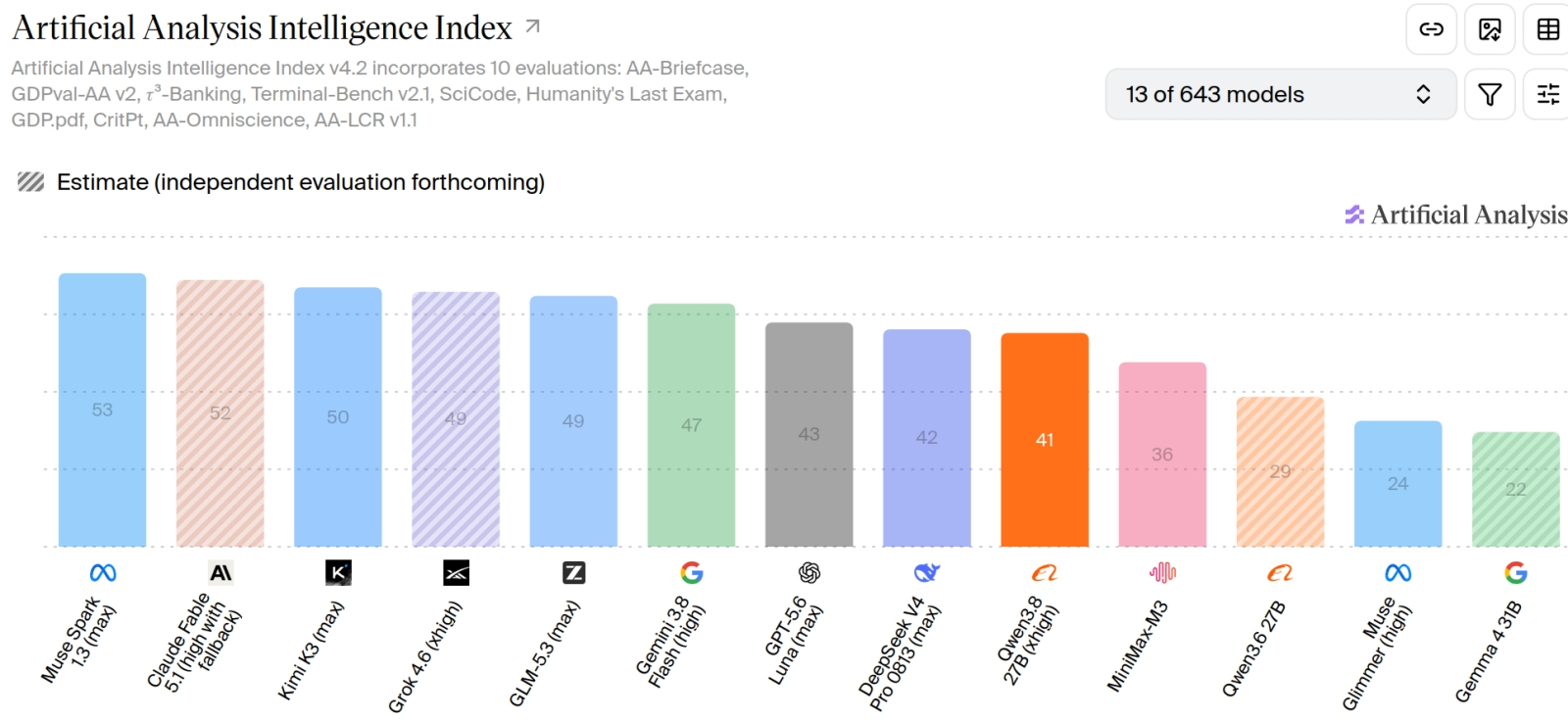
Японский филиал Google, по традиции, представил 1 октября уже пятнадцатый проект инновационной клавиатуры, призванной упростить человеку набор текста — на сей раз, чтобы не приходилось перемещать руки по всей поверхности раскладки, она выполнена по принципу конвейера. Проект Gboard Kuru-Kuru носит шуточный характер.

Мастерская локальных ИИ: салат картофельный с Qwen3.8
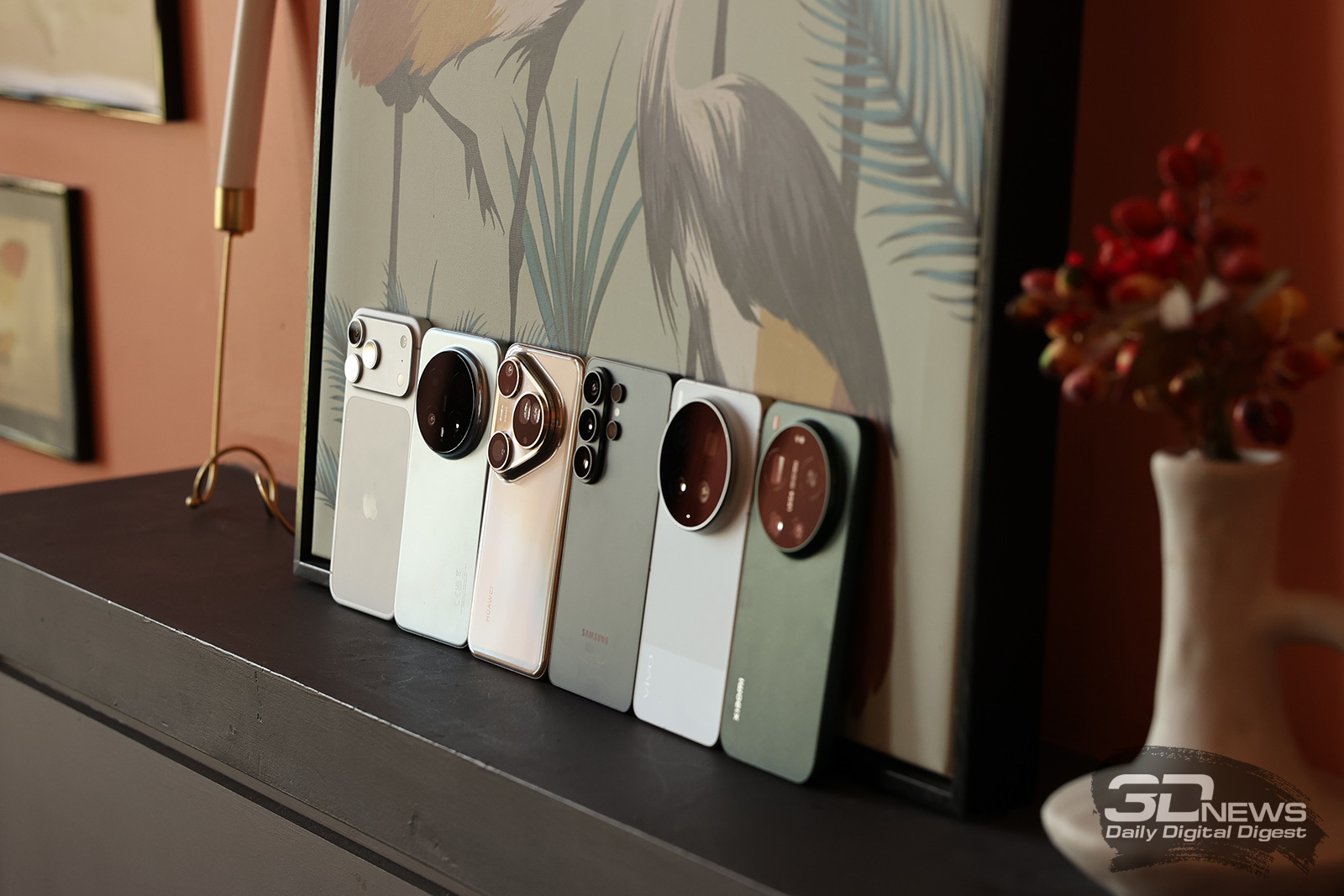
Сравнительный тест камер флагманских смартфонов (2026): итоги

Компьютер месяца, спецвыпуск: выбираем мини-ПК для работы и развлечений в эпоху дефицита чипов памяти
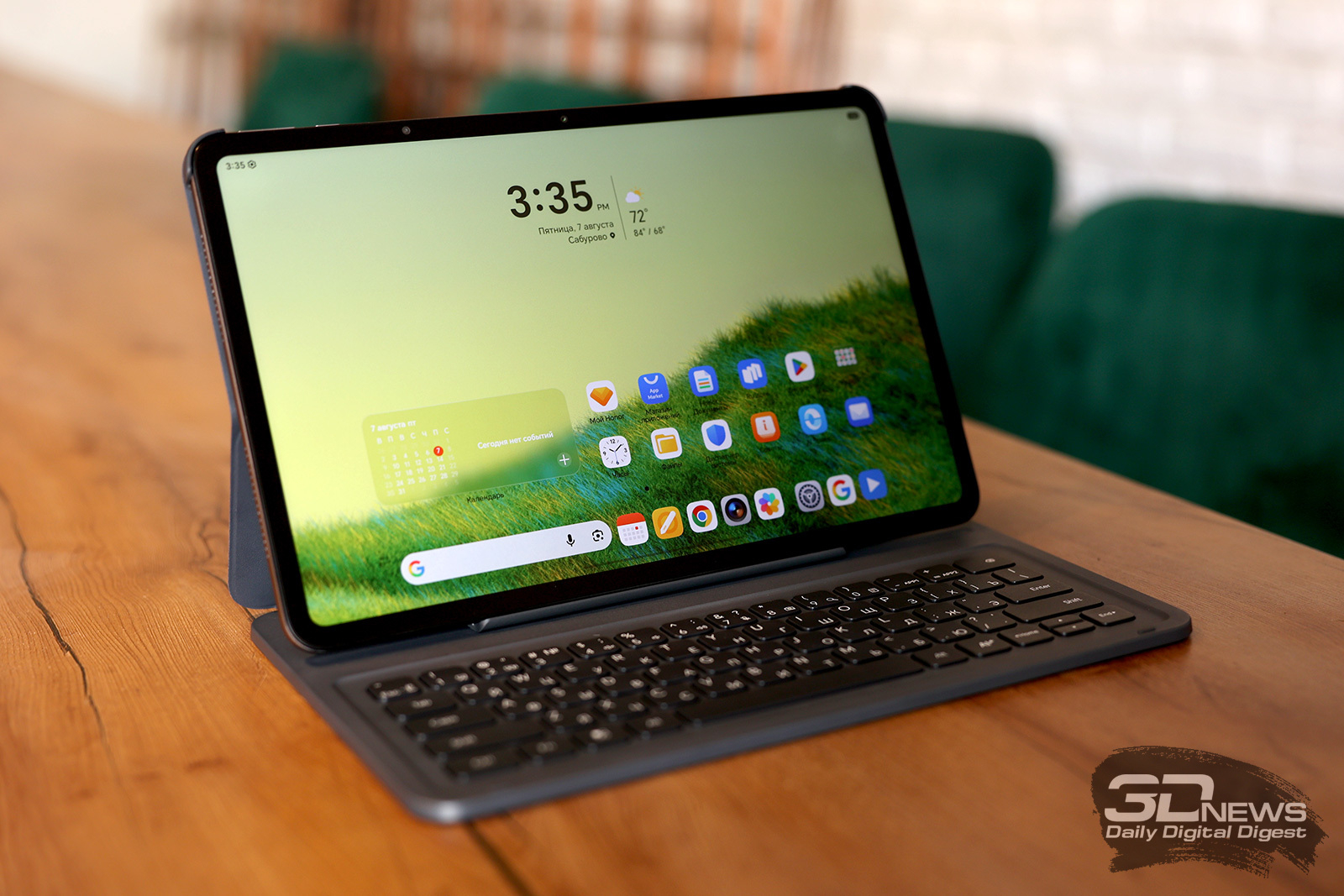
Обзор HONOR Pad X9b Max: универсальный большой планшет с антибликовым экраном
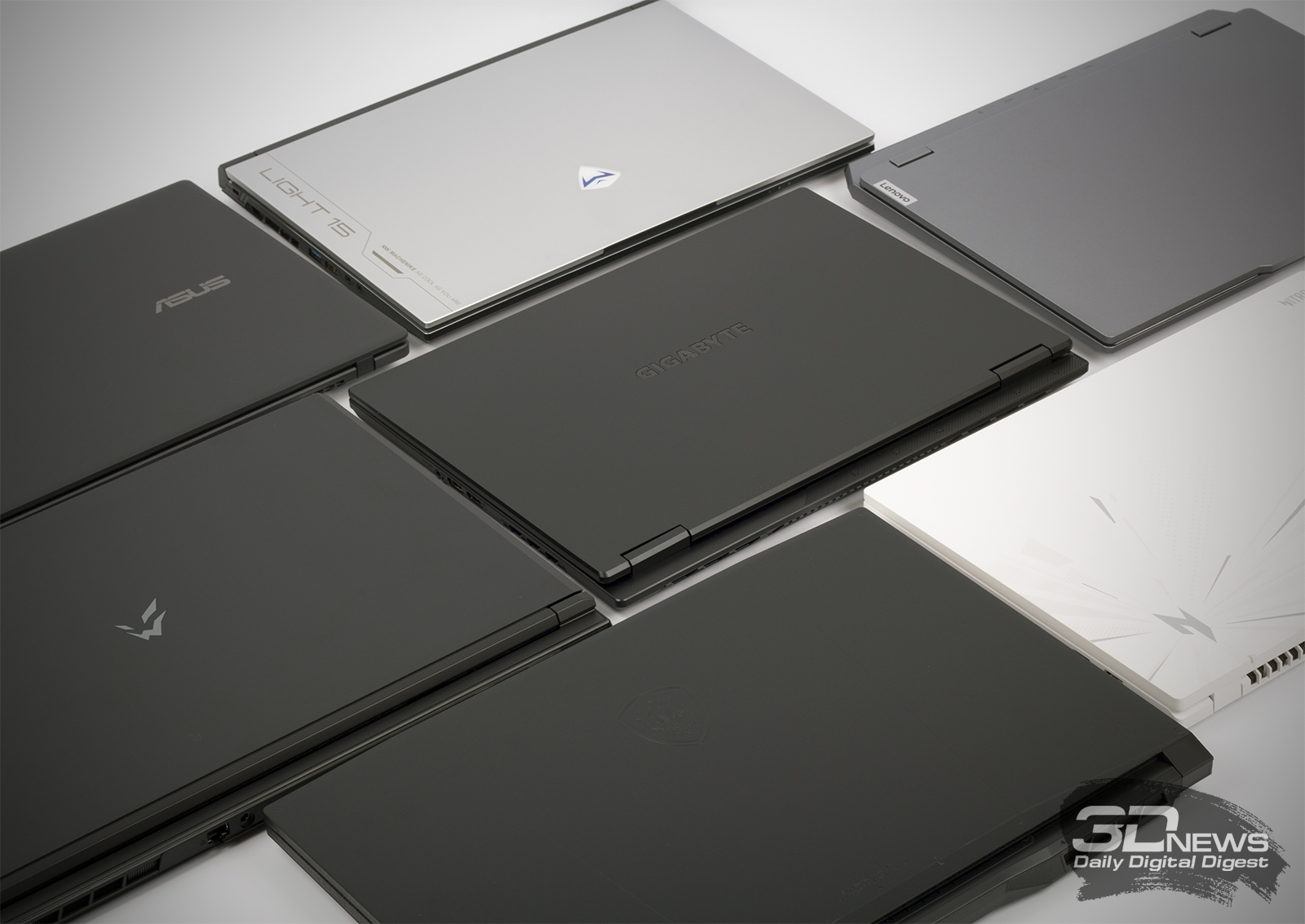
Выбираем лучшие игровые ноутбуки на российском рынке (вторая половина 2026 года)

Лучший процессор под DDR4 в 2026 году: AM4 против LGA 1700
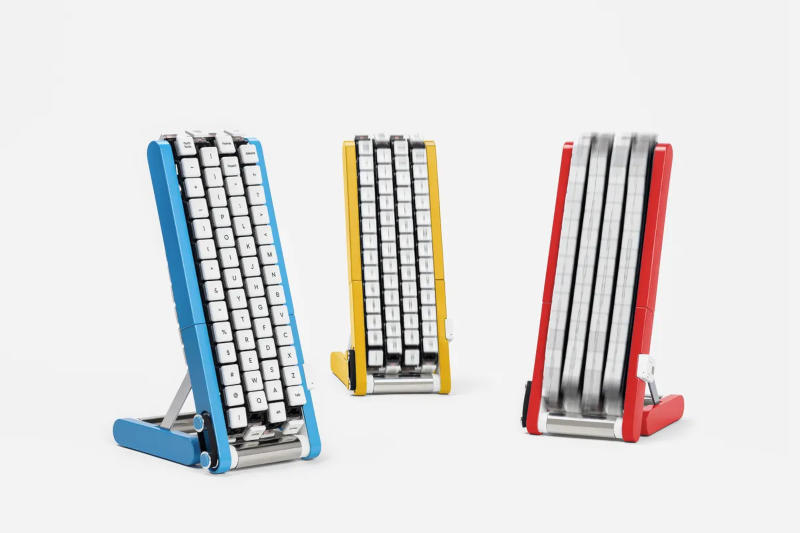
Источник изображений: blog.google
Традиционные клавиатуры рассчитаны на то, что человек одновременно пользуется обеими руками — попытка печатать одной рукой или одним пальцем требует, чтобы ладонь или рука целиком совершали значительные движения. Чтобы обеспечить эффективный набор текста одной рукой или даже пальцем, японские инженеры Google решили заставить двигаться саму клавиатуру.
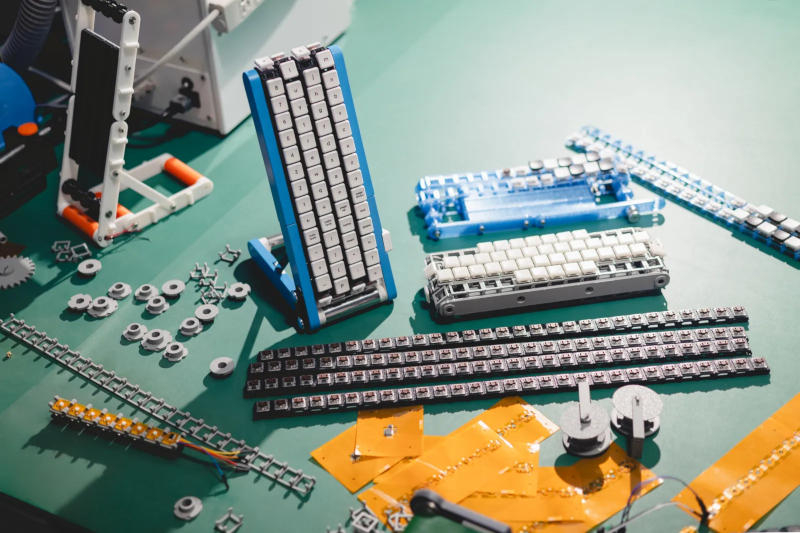
Клавиши на Gboard Kuru-Kuru располагаются на четырёх движущихся лентах. Конвейерный механизм плавно подводит клавиши прямо к кончикам пальцев пользоваться — к клавишам больше не надо тянуться, потому что они сами движутся навстречу. Пользователю остаётся всего лишь нажимать нужные кнопки в тот момент, когда они проезжают мимо. На каждой ленте размещены 29 клавиш, что позволяет без лишних движений вводить как заглавные, так и строчные буквы.
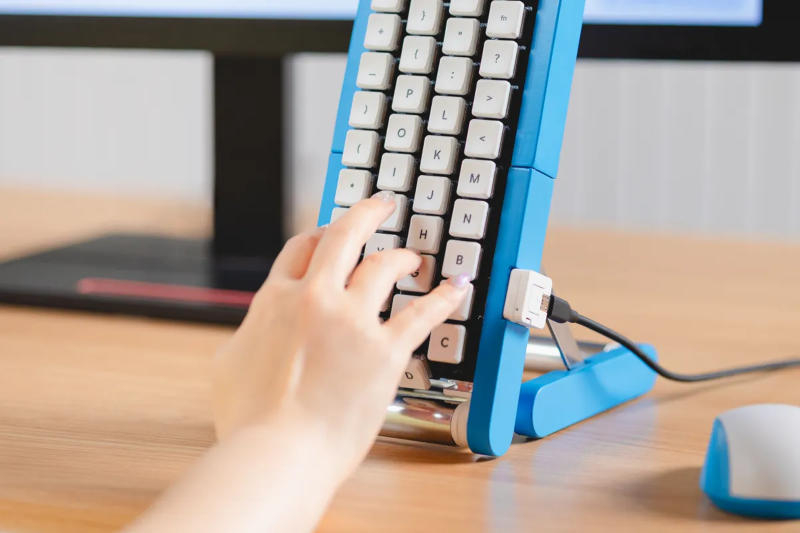
Если установить вторую Gboard Kuru-Kuru, то можно дополнительно повысить производительность. Проект можно доработать, говорят японские инженеры Google: предложить модные цветовые решения, добавить высокоскоростной режим, построить длинную версию с расширенным набором символов, или короткую, которую удобно носить с собой.
Шутки шутками, но японские инженеры Google реализовали проект Gboard Kuru-Kuru с традиционной обстоятельностью и выложили все связанные с ним материалы на GitHub — построить конвейерную клавиатуру теперь может любой желающий.
Было интересно? Скажите об этом Google, чтобы чаще получать ссылки на наши новости про манипуляторы

Вы не поверите, че я раскопал! Если вы тоже задолбались прожигать жизнь за заполнением тупых таблиц — у меня для вас есть пушка-бомба!
Какой-то гений собрал просто ультимативный гид, где чисто на пальцах и с юморком показывает, как одной кнопкой решать геморрой в Excel и Word. Я залип на два часа, теперь чувствую себя богом продуктивности.
Бегом марш изучать, пока лавочку не прикрыли:
это просто пушка.
Все бесплатно, без регистрации и СМС, как в старые добрые! Всех обнял!
Категорически приветствую! Кому тут надоело ломать мозг над промтами для ChatGPT — я принес вам священный грааль годноты!
Какой-то гений выкатил нереально бодрый блог, где чисто на пальцах и с юморком объясняет, как заставить нейросети пахать вместо себя. Там даже про Roblox Studio и эксель есть, прикиньте?!
Вся база знаний и секретные фишки лежат тут:
вход в матрицу.
Все бесплатно, без регистрации и СМС, как в старые добрые! Бывай!
I am rebuilding a small work wardrobe after a change in size, and I keep mixing up two separate decisions: whether a garment fits well and whether its color works near my face. The fit is fairly easy to check in a mirror. Color feels less obvious under store lighting. A charcoal jacket seems useful, yet several shirts I already own make my skin look dull when I wear them with it. I want to make the clothes I own work before buying more pieces. I have been reading about color analysis and comparing those notes with ordinary fit advice, but I still need a simple test I can repeat at home. Would you compare a few shirts beside a window and photograph them against the same neutral background? The hardest comparison for me is navy against charcoal because both seem sensible on a hanger. I also wonder whether a warmer cream shirt would be more helpful than stark white. If you have narrowed a wardrobe this way, which observations actually helped you choose repeatable colors rather than just picking the outfit that looked best in one photo? A practical sequence would help so I can keep fit and color decisions separate while I make a short shopping list.
Fur einen freien Vormittag auf Teneriffa mochte ich eine kurze Wanderung im Anaga-Gebirge planen. Ein Mietwagen steht zur Verfugung, aber die Anfahrt soll nicht den ganzen Tag bestimmen. Unser Zeitfenster reicht vom fruhen Morgen bis ungefahr zum Nachmittag. Ich suche zuerst nach einem gut erreichbaren Ausgangspunkt. Die Parkplatzsituation kann ich anhand der Karte nur schwer einschatzen. Die Anfahrt sollte moglichst uberschaubar bleiben. Ein einfacher Weg zu einem Aussichtspunkt wurde uns reichen. Fur schwierige oder sehr steile Abschnitte sind wir nicht ausgerustet. Falls sich das Wetter rasch andert, brauchen wir eine kurze Alternative. Bei meiner bisherigen Recherche habe ich anaga park tenerife notiert. Welche Startpunkte haben fur euch bei einem halben Tag gut funktioniert? Mich interessieren besonders praktische Hinweise zur Parkplatzsuche und zur tatsachlichen Gehzeit. Wenn mehrere Wege infrage kommen, wurde ich lieber einen verlasslichen kurzen Vorschlag wahlen als moglichst viele Ziele unterzubringen.
I have one uncommitted day during a stay in Funchal and am wondering whether a day trip to Porto Santo would feel worthwhile without turning into a transport exercise. I have not booked the ferry yet, so I can compare the current timetable with the forecast before deciding. The amount of time between arrival and departure is my main concern, once the journey to the port and boarding time are included. I would like a quiet beach walk and an easy meal, rather than attempting a full sightseeing circuit in a few hours. I would verify the sailings directly before making a reservation, and I would also look at any weather or service notice close to the date. For broader local updates I came across madeira island news though an article cannot replace a live ferry notice. Would you decide a few days ahead or wait longer? I can spend the day on Madeira instead if the crossing looks uncertain or the time ashore is too short. I would like to understand the evening return logistics, including how easily someone without a car can get back to central Funchal. I would welcome a recent example of how the day worked in practice.
Bei der Planung unserer Reise nach Fuerteventura fragen wir uns, was sich auch an windigen Tagen gut unternehmen lasst. Wir reisen zu zweit und konnen einzelne Tage spontan planen. Ein Mietwagen ist wahrscheinlich vorhanden, trotzdem mochten wir nicht fur jeden Ausflug stundenlang fahren. Bei der Wahl der Unterkunft mochten wir auch kurze Wege zu kleinen Ausflugen berucksichtigen. Kurze Wanderungen, kleine Orte und Aussichtspunkte interessieren uns mehr als ein straffes Ausflugsprogramm. Bei der Suche nach aktivitaten auf fuerteventura sind viele lange Listen aufgetaucht. Fur uns ware hilfreicher zu wissen, welche Ziele bei Wind noch angenehm sind und welche man besser an einem ruhigeren Tag besucht. Welche Route lasst sich unterwegs unkompliziert verkurzen? Wir wollen keine riskanten Kustenwege einplanen und wurden bei schlechter Sicht oder starkem Wind lieber umkehren. Auch ein Dorfbesuch mit einem Spaziergang ware vollig in Ordnung. Bei Boen bleiben wir lieber auf einfachen Wegen mit einer klaren Umkehrmoglichkeit. Praktisch ware ein Plan, der sowohl einen kurzen Spaziergang als auch eine gemutliche Pause erlaubt. Falls ihr im Herbst dort wart: Welche Unternehmung hat euch gefallen, obwohl der Strand fur einen langen Aufenthalt zu windig war? Uns helfen besonders Angaben dazu, wie lange ihr tatsachlich unterwegs wart. Ein flexibler Tagesplan ist uns bei diesem Wetter besonders wichtig. Uber konkrete Tipps fur einen entspannten Tag wurden wir uns freuen.
Собираемся на море с дошкольником и пока сравниваем места для спокойного отдыха. Красивые фотографии помогают составить список, но по ним сложно понять, как проходит обычный день у воды. Главный критерий для нас — возможность спокойно подойти к воде. Нужна возможность делать перерывы в тени рядом с пляжем. Не хотим каждый раз собирать все вещи и долго идти обратно к жилью, когда ребёнок устанет. Также пытаемся разобраться с туалетами и местами для перекуса. Для первоначального поиска смотрим материалы по теме канарские острова и дальше сопоставляем выбранные места по удобству для семьи. Машину пока не планируем брать на весь отпуск. Поэтому длинный путь от остановки или крутой спуск могут оказаться важнее живописного вида. Ещё хочется понять, будет ли удобно идти к пляжу с коляской и сумкой для детских вещей. Что вы обязательно уточняете перед выбором жилья у такого пляжа? Особенно помогут примеры, где понятны путь к берегу и условия вокруг него.
My natural gray is becoming more visible, and I am trying to make the transition without replacing a perfectly usable wardrobe. There is still some old brown color in the lengths, so the overall effect will continue changing for quite a while. My scarf drawer already includes cream, gray, pink, and navy, so I have a few contrasting colors available for a small experiment. To give my questions a clearer starting point, I bookmarked a reference concerning personal color analysis as a starting point for further reading. A seasonal label would be less useful to me than understanding why I prefer particular scarves with my current hair. Is it sensible to reassess a few scarves as the hair changes, or would you leave that experiment until the transition finishes? I could keep brief notes about the combinations I like, with the same clothes and mirror position each time I check. I would welcome ideas for modest changes during this process, particularly from people who kept most of their existing clothes.
Does anyone have a sensible workflow for preparing a generated track as a continuous exhibition loop? The main constraint is a smooth return from the end of the file to its beginning. It seems useful to list boundary issues separately from anything noticeable within the passage. I bookmarked remove suno artifacts while gathering possible references for the second question. My first pass would identify possible loop points and check them over repeated playback. I also need to test the exhibition player, since its handling of repetition could affect the transition. Only after that would I decide whether an internal texture deserves a separate experiment. Any trial version would stay alongside the original so that the musical character remains easy to compare. The final check would use the actual speakers and the expected exhibition playback level. Which order of checks would you recommend for a reliable exhibition loop?
Our family has accumulated several folders of song sketches. Some files came from a music generator, and their export history is unclear. My main concern is keeping the original version easy to identify. A processed copy would have its own folder and a brief description of the change. Is a dated filename enough, or would you also maintain a separate version list? I am also trying to understand the phrase ai audio artifact removal in this context. That wording seems too broad to use as a guarantee about a particular recording. Recording the exact section and the settings would make later comparisons easier. The archive will include a short explanation of where each demo came from, who supplied it, and whether the copy was exported again or changed after the original file was received. Suggestions for a practical version record would help me finish this archive.
My weekday commute includes a bicycle helmet, which leaves my hair looking different by the time I reach work. The aim is to find a practical hairstyle that survives the journey and needs only a quick adjustment afterwards. Any reference I collect needs to make sense both with my hair loose and with it secured for the ride. I came across a page through a search for try on hair styles for free and would treat a preview as an outline to discuss. I would compare a few lengths in the same photograph, keeping the lighting and head position as consistent as possible. A visual reference leaves practical questions unanswered, especially how a clip or tied section changes the way the helmet sits. The consultation would include my actual helmet and a realistic estimate of the time available before the working day starts. I would like to compare tradeoffs before choosing a shorter cut simply because it looks easier in a reference picture. For other regular cyclists, what questions helped you choose a cut that worked with your helmet and everyday schedule?
Our music workshop will include a listening exercise using several generated exports. I want the discussion to focus on sound rather than assumptions about software. My starting point is a set of lettered excerpts played at comparable levels. Each excerpt would contain the same musical passage to keep comparisons focused. I would ask for timestamps and descriptions before accepting an explanation of the sound. The group includes people with different listening experience, so technical vocabulary should be optional. I would collect individual notes before discussing them together, and let students replay the excerpt when they need to check whether their first impression holds up. I found a resource on ai audio artifact removal that might inform an optional later comparison. I do not have tested results and would introduce it only as a possible resource. The rubric should allow a student to prefer an unchanged version. Which simple criteria would encourage precise observations without steering the verdict?